Free Fire in 2026 feels very different from the version many players remember a few years ago. The core idea of the game hasn’t changed—drop in, loot fast, and be the last squad standing—but the depth of strategy has grown a lot.
Character awakenings, Cyber-Augments, smarter pet mechanics, and new map systems have turned Free Fire into a much more tactical battle royale. Winning consistently now takes more than quick aim. Players need to understand the meta, coordinate squad roles, manage resources, and make smart decisions from the moment the plane launches until the final circle closes.
The 2026 Meta: Beyond the Basics
The Power Creep Reality
If you've been playing Free Fire for several years, you've probably noticed one thing: fights end much faster now.
Cyber-Augments and awakened character abilities have significantly increased combat power across the board. Players can enter a match with mobility boosts, faster healing, and improved weapon handling already active.
This creates a classic “power creep” situation where even small mistakes get punished instantly. A player caught out of position can be eliminated within seconds by a coordinated squad.
Because of this, understanding how abilities interact with positioning and weapon choices is just as important as mechanical skill.
Role Specialization
Another big change in the 2026 meta is the shift away from generalist builds.
Squads perform much better when each player fills a specific role.
The most common high-level squad setup includes:
Infiltrator
The aggressive entry player. They initiate fights, pressure enemy positions, and create openings for the team.
Support-Medic
This role keeps the squad alive through healing abilities and faster revives. In long fights and final circles, this player is often the reason a squad survives.
Long-Range Specialist
Usually equipped with sniper rifles or high-accuracy ARs, this player controls sightlines and prevents enemy teams from rotating freely.
Teams that understand their roles usually win more fights than squads that simply rush every encounter.
Pre-Flight Strategy: The Loadout Revolution
Pet Synergies
Pets in Free Fire are no longer just cosmetic companions.
In 2026, their passive abilities can significantly affect gameplay. Interestingly, most competitive players now prefer utility pets rather than pure damage-boost pets.
Utility pets can provide:
• faster healing
• improved enemy scanning
• reduced ability cooldowns
• better resource efficiency
These bonuses might not seem dramatic individually, but they add up across an entire match.
The Smart-Loot Preset
One trick used by experienced players is optimizing auto-pickup settings.
By configuring what items your character automatically collects, you can dramatically reduce looting time.
A good setup prioritizes:
• armor upgrades
• ammo for preferred weapons
• grenades and utility items
• medkits and repair kits
Saving even a few seconds during early looting can help your squad secure better positioning before nearby teams rotate in.
The Drop: Advanced Navigation & Hot-Zone Logic
High-Velocity Diving
Landing first still provides a major advantage.
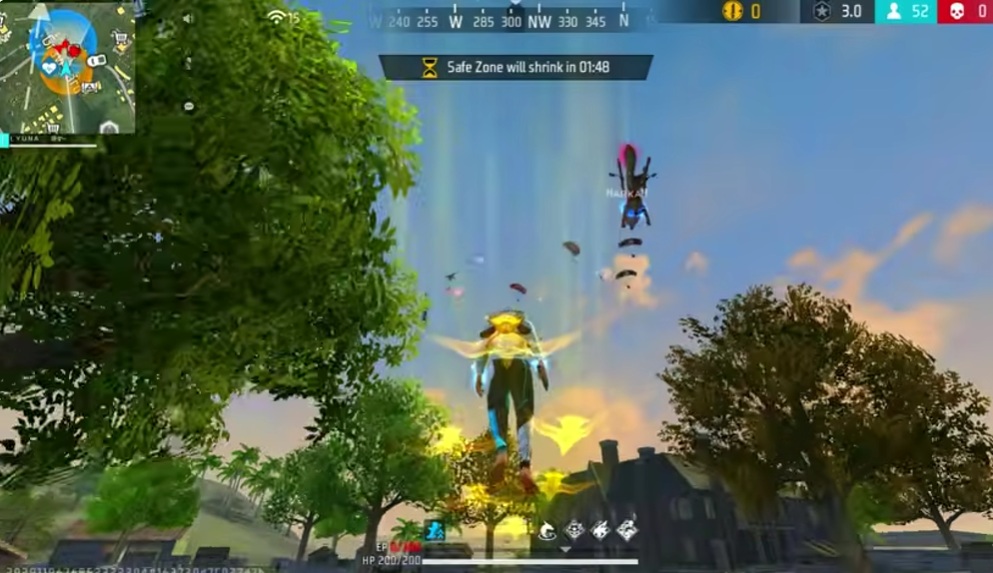
The fastest drops usually involve diving steeply early, then leveling out slightly to maintain glide speed. When done correctly, your squad can reach the ground before nearby teams and grab weapons first.
That small timing advantage often decides the first fight.
Risk vs Reward: The Blue Zone Gamble
High-tier loot areas offer better weapons and armor, but they also attract more players.
Landing in these zones means you will almost certainly fight early. Sometimes that works in your favor, but sometimes it leads to a quick elimination.
Experienced squads usually evaluate three things before committing:
• how many teams are jumping
• distance from the flight path
• possible escape routes
If too many teams are heading to the same location, diverting to a nearby secondary zone is often the safer play.
Stealth Drops
Some of the most consistent wins actually come from quieter landing spots.
These “sleeper locations” provide enough loot to gear up without drawing too much attention. From there, squads can rotate safely into mid-game positions.
Consistency often beats early chaos.
Mid-Game Macro: Map Control & Information
Vehicle Meta
Vehicles play a much bigger role in mid-game rotations now.
New hover vehicles and armored transports help squads move across open terrain without getting instantly eliminated.
However, experienced players rarely drive straight toward the center of the map. Instead, they rotate along terrain edges and use natural cover whenever possible.
UAV and Radar Manipulation
Recon tools like UAV scans provide valuable information—but smart squads also use them to bait enemies.
Sometimes a UAV deployment forces nearby teams to move. When they reposition, they reveal their location.
Once you know where they are, you can set up an ambush or control their rotation path.
The Economy Game
FF Coins and vending machines add another layer of strategy.
Coins can be spent on armor repairs, grenades, and weapon upgrades. However, spending everything early can create problems later in the match.
Many players prefer to save coins for late-game revives, which can completely change the outcome of a match.
Combat Mechanics: Winning the 1v1
Gloo Wall Architecture
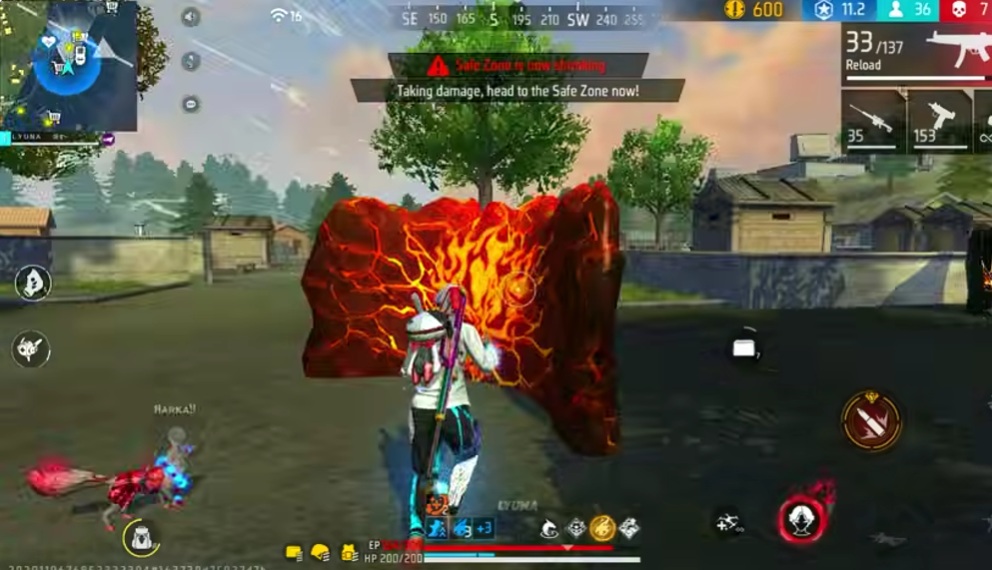
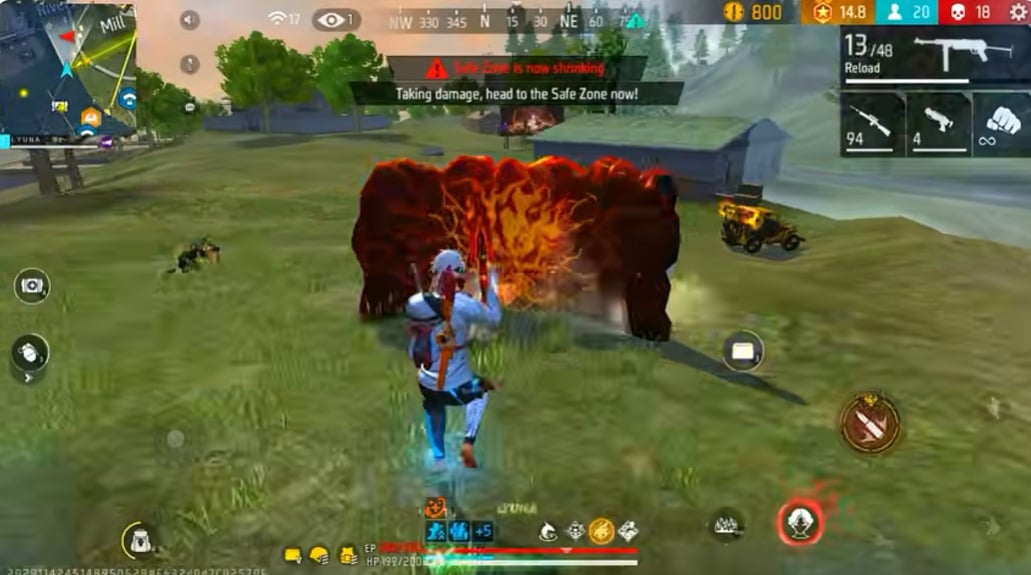
Gloo Walls remain one of the most important survival tools in Free Fire.
High-level players use advanced placement techniques such as:
Double stacking
Dropping two walls quickly to create layered protection.
360 enclosure
Building a full defensive structure in open terrain during intense fights.
Mastering these techniques can dramatically increase survivability.
Weapon Tier Trends
Evo-Gun variants remain strong because they scale during the match.
However, energy-class weapons have also become popular thanks to their stable recoil and reliable damage output.
Players who master recoil control can dominate mid-range engagements.
The Evolution of the Jump Shot
Jump-shooting is still effective, but experienced players now use it more selectively.
Instead of constant jumping, they mix unpredictable jumps with sideways movement to break enemy aim tracking.
Timing is the key.
The Final Circle: The Grandmaster’s Chessboard
Positioning Over Kills
Many players instinctively rush toward the center of the safe zone.
But this often becomes a trap. Teams positioned in the middle can be attacked from every direction.
Experienced squads prefer edge rotations, moving along the outer edge of the safe zone while maintaining cover.
This approach reduces enemy angles and increases survivability.
Utility Wins Games
Flashbangs and smoke grenades become extremely powerful in late circles.
Smoke can block sniper lines and allow safe repositioning. Flashbangs can disrupt enemy coordination and create opportunities to push.
In tight circles, utility items often decide the outcome of the match.
Trigger Discipline
One of the hardest lessons in Free Fire is knowing when not to shoot.
When three squads remain, firing too early can reveal your location and attract multiple enemies.
Smart teams wait for the other two squads to start fighting first. Once both sides are weakened, they move in and finish the match.
Patience often wins the final circle.
Final Thoughts
Free Fire in 2026 rewards smart decision-making more than ever before.
Mechanical skill still matters, but consistent victories come from understanding the full match flow: choosing the right drop, managing resources, rotating safely, and maintaining strong squad coordination.
Players who optimize their loadouts, practice efficient rotations, and invest in the right upgrades—sometimes through Free Fire top up to unlock key characters and cosmetics—can gain a meaningful edge in competitive matches.
In modern Free Fire, winning isn’t just about shooting faster.
It’s about thinking ahead.