If you play enough ranked in MLBB, you have probably seen this happen over and over: your Gold Laner does not seem to be feeding, the lane does not even look completely lost, and yet by the 8 to 10 minute mark, the enemy side is already up half an item or sometimes a full item.
That kind of lead usually does not happen because of one big mistake. Most of the time, it comes from small losses stacking up early. Missing last hits, getting forced off waves, recalling at the wrong time, rotating too early, or getting punished once at a bad moment can all put a Gold Laner behind. And once that happens, the gap can snowball fast.
A lot of players think Gold Lane is just about sitting in lane and farming. It is not. The role is really about turning lane priority, wave control, and safe map movement into a steady item curve. If that rhythm breaks, your scaling breaks with it. That is the real reason so many Gold Laners look underfarmed before the game even reaches mid game.
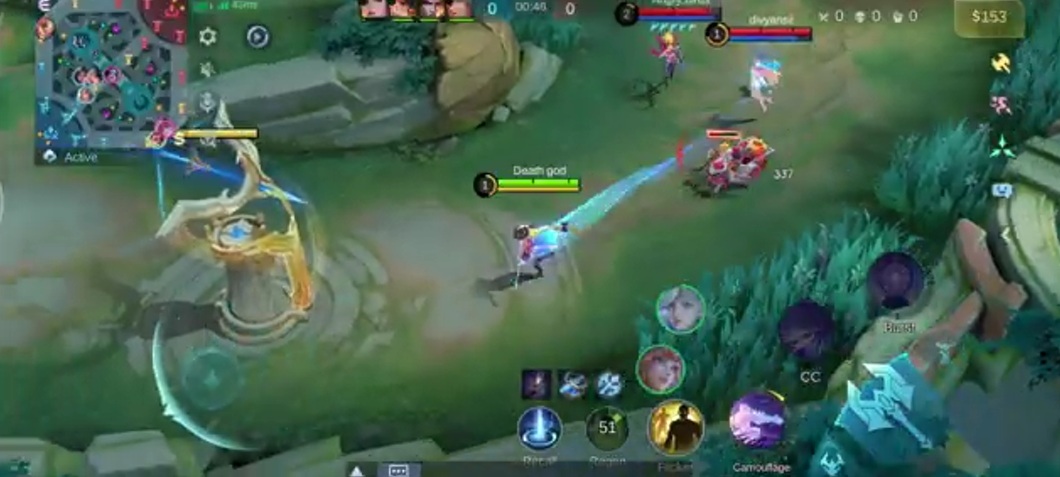
Gold Lane item deficits often start with role design and hero scaling
A lot of Gold Lane heroes are supposed to come online later
Many marksmen and Gold Lane picks are not built to dominate the first few minutes. Their real strength usually shows up after their first one or two core items. Compared to early-game junglers, lane bullies, or high-burst fighters, most Gold Laners are not meant to win every early trade.
That is why being even in lane is not always a bad thing. On plenty of Gold Lane heroes, the early game is about staying on track, not hard-winning lane. Players often panic when they are not ahead by minute three or four, but for scaling picks, that is not the right way to think about the role.
Gold Lane only feels rich if you actually collect the gold
Yes, Gold Lane is designed to help your team’s scaling damage dealer get online faster. But that bonus only matters if you are consistently catching waves and converting them into clean income.
The moment you start missing minions, getting zoned off the wave, or taking bad recalls, that built-in advantage starts disappearing. A lot of players think standing near the lane means they are farming well, but that is not true. If you are not securing the wave properly, you are not really getting full value out of the lane.
That is exactly why understanding the basics of a mlbb gold farming guide matters. The difference between average and strong Gold Lane play is often not mechanics alone. It is how well you protect your income every single wave.
Some heroes are naturally more vulnerable in the early game
Some Gold Lane heroes just have a rougher first few minutes. Maybe their wave clear is weak. Maybe they have no mobility. Maybe they need one or two items before their damage feels real. In those cases, even a normal lane can feel uncomfortable if the enemy team knows how to pressure it.
This gets worse when your draft offers little protection. If your roam is never nearby, your mid is not covering vision, and the enemy has strong dive tools, then your lane becomes much harder to play. At that point, the issue is not only mechanics. It becomes a survival and tempo problem.
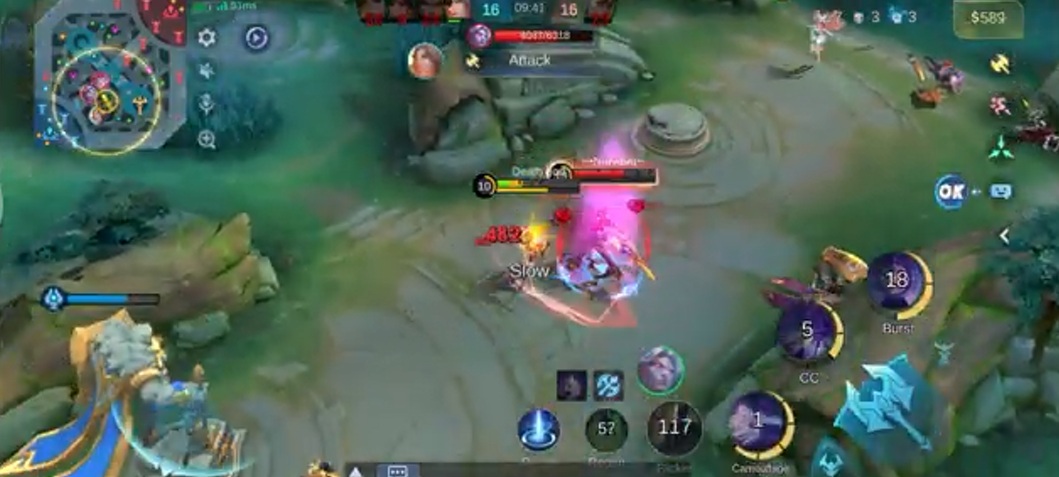
A lot of Gold Laners are not “bad at farming” — they are just leaking gold the whole lane phase
The first few waves often decide how smooth the lane will feel
A surprising number of bad Gold Lane games start in the first three waves. If you lose control early, the lane becomes much harder to play the way you want. Missing early last hits, taking a bad trade, or getting pushed under tower too soon can put you on the back foot right away.
Once that happens, most players stop playing proactively. They farm nervously, clear slower, and start giving up pressure without realizing how much gold they are losing. One bad recall timing can cost an entire wave. And in Gold Lane, that kind of early loss matters a lot more than people think.
Small resource losses are what quietly create big item gaps
Most early item leads are not built from kills alone. They come from players who keep squeezing extra value out of every wave state. They collect clean farm, use lane priority well, and turn small windows into more resources.
Meanwhile, a lot of weaker Gold Laners shove a wave and then do nothing. They stand around, wait for the next minion wave, and give away valuable seconds. Over time, that adds up. If you are not using your wave timing to reset, reposition, or safely collect nearby value, you are wasting part of your role.
A lot of players look like they are farming, but they are not really scaling
This is one of the biggest traps in Gold Lane. A player can spend most of the early game in lane and still be farming badly.
Maybe they are missing last hits. Maybe they clear the wave but never make the next smart move. Maybe they stay “safe” but fail to use timing windows. Maybe they are technically alive, but they are not maximizing income.
That kind of play looks stable, but it is actually fake efficiency. Real Gold Lane farming is active. It is about clean wave collection, smart positioning, and knowing exactly when to stay, when to move, and when to back off.
What usually breaks a Gold Laner before 10 minutes is pressure and bad rotations, not just losing lane 1v1
Gold Lane is one of the easiest lanes to attack
Enemy teams know where the late-game damage is supposed to come from. That is why Gold Lane gets so much attention. The jungler, roam, and mid can all collapse there early, especially if your hero lacks mobility or your team is not helping you with vision.
And when a Gold Laner gets punished, the loss is almost never just the kill. You lose the wave. You lose lane control. You may lose plating, river control, or the ability to walk up safely on the next wave. One death in Gold Lane can easily turn into multiple layers of lost value.
One death often creates the next one
This is where many players completely lose their item timing. You die once, come back late, and now the wave is in a worse spot. The enemy has tempo, better positioning, and more freedom to pressure you again.
Even if you do not immediately die a second time, you are now farming from a weaker position. You have less room, less confidence, and fewer good options. If the enemy team plays the map well, that first death can keep costing you for the next two or three minutes.
That is why some Gold Laners feel useless by minute nine even when the scoreboard does not look terrible. The issue is not always the number of deaths. It is what those deaths did to the lane state and your income flow.
Bad rotations from 5 to 10 minutes kill item timing
This is another major reason Gold Laners fall behind. A lot of players leave lane for fights that are not worth it. They rotate too early, chase messy skirmishes, or spend too long hovering around fights that never turn into anything.
Meanwhile, they are missing waves. And for a role that relies heavily on item spikes, that is a huge problem.
This is also why any solid mlbb laning guide has to go beyond lane mechanics. Good laning is not just about trading well. It is about protecting your farm route through the most important early minutes of the game. If your rotations are bad, your lane phase is bad, even if your mechanics are fine.
Sometimes the problem is team resource allocation, not just individual mistakes
Not every item gap is fully the Gold Laner’s fault. Some games are hard because teammates make the lane impossible to play correctly.
Maybe the jungler keeps taking your wave. Maybe your roam never gives vision on the side you need to farm. Maybe your team keeps forcing low-value fights and expects you to show up before you are actually strong enough. In those games, your scaling gets delayed even if you are making decent individual choices.
Gold Lane may look like a solo lane problem, but it is often heavily affected by how your team manages space and pressure around the map.
If you want to stay even in items before 10 minutes, fix your farming rhythm instead of trying to force hero plays
Start by figuring out why you are behind
Not every gold deficit comes from the same issue. Sometimes your hero is just weak early. Sometimes your lane mechanics are the problem. Sometimes you are overextending without vision. Sometimes you are leaving lane too often. Sometimes your team is dragging you into bad fights.
If you want to improve fast, you need to identify the real cause instead of just saying, “I was behind.” The reason matters.
Five habits that help Gold Laners stay on curve
The first is simple: prioritize the first two waves and secure your farm before forcing trades.
The second is to respect missing vision. If you do not know where the roam or jungler is, do not walk up too far just to poke.
The third is to clear from safer positions whenever possible so you are not taking unnecessary damage and forced into bad recalls.
The fourth is to collect the guaranteed wave before taking a low-percentage fight.
The fifth is to make short, efficient movements after pushing instead of wandering across the map and missing your timing.
These are not flashy habits, but they are the habits that keep your item curve healthy.
Gold Lane is not about winning every moment — it is about arriving at your power spike on time
A lot of players misunderstand the role because they want constant action. But Gold Lane is not always about looking impactful early. In many games, the best thing you can do is stay alive, hold your farm, and hit your core items on time.
Dying one less time can be worth more than forcing one extra trade. Catching one more clean wave can matter more than joining one low-value skirmish. For Gold Lane, consistency is often what turns into carry potential later.
If you make it through the first 10 minutes without falling apart, a lot of Gold Lane heroes can still take over the game once teamfights start opening up.
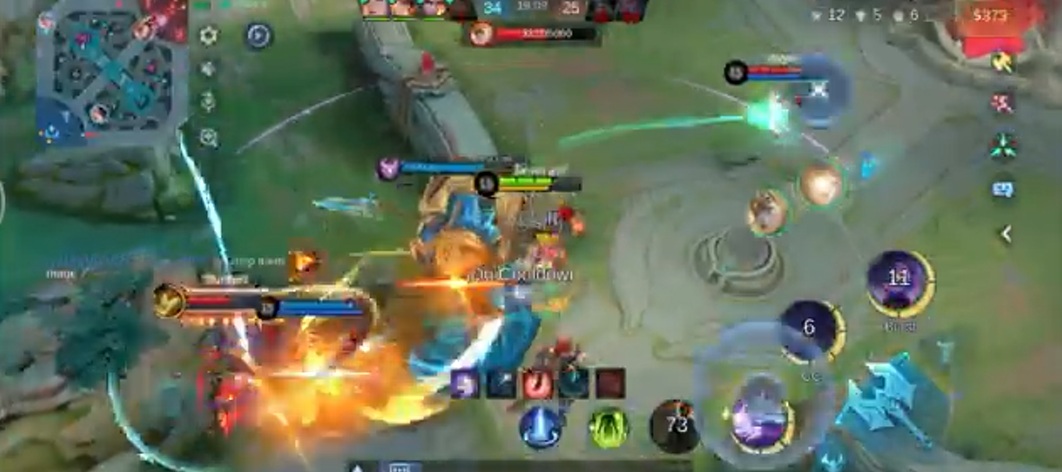
When a Gold Laner falls behind in items before 10 minutes in MLBB, it is usually not because they got massively outplayed in one moment. More often, it is the result of scaling limitations, missed farm, weak wave control, bad recall timing, enemy pressure, and low-value rotations slowly stacking into a real deficit.
That is why so many players feel like they were “playing safe” but still ended up underfarmed. They were surviving, but they were not truly converting lane and map resources into item progress.
For Gold Lane players, the early game is not about forcing impact every minute. It is about farming clean, staying alive, and protecting your tempo until your items come online. Once you understand that, a lot of these early deficits stop feeling random. They start looking fixable.