Home
Home BlogWhy the Same Gun Feels Completely Different in Free Fire
Why the Same Gun Feels Completely Different in Free Fire
 Quinn Thompson


I’ve lost count of how many times I’ve picked up the same gun in Free Fire and thought, “Why does this feel off today?”
Same weapon. Same attachments. Same sensitivity.
Yet one match it melts enemies, and the next it feels like I’m shooting blanks.
For a long time, I assumed it was just me—fatigue, bad focus, maybe an off day. But the more I paid attention over time, the clearer it became: gun “feel” in Free Fire isn’t just about the weapon itself. It’s the result of several invisible systems interacting at the same time.
Once you start noticing those systems, the inconsistency stops feeling random.
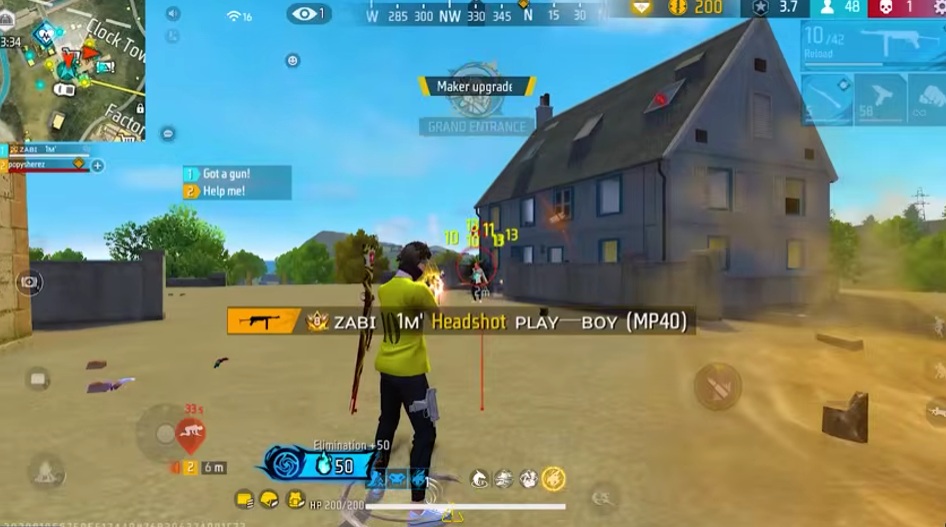
Your Gun Doesn’t Exist in Isolation
On paper, a gun is just stats: damage, rate of fire, accuracy, recoil. In actual matches, those numbers never operate alone.
Every time you pull the trigger, your weapon is filtered through multiple layers:
your movement state, aim adjustment, enemy movement, hit registration, and even how aggressively you’re playing in that moment.
Standing completely still versus light strafing already changes recoil behavior. Firing while correcting your crosshair feels very different from pre-aiming and committing. Even the distance you expect a fight to happen at can subconsciously change how you control recoil.
That’s why the same gun can feel laser-sharp in one fight and wildly inconsistent in another—because you’re never truly recreating the same conditions twice.
Network Conditions Quietly Change Everything
This is the part most players underestimate, and I did too for a long time.
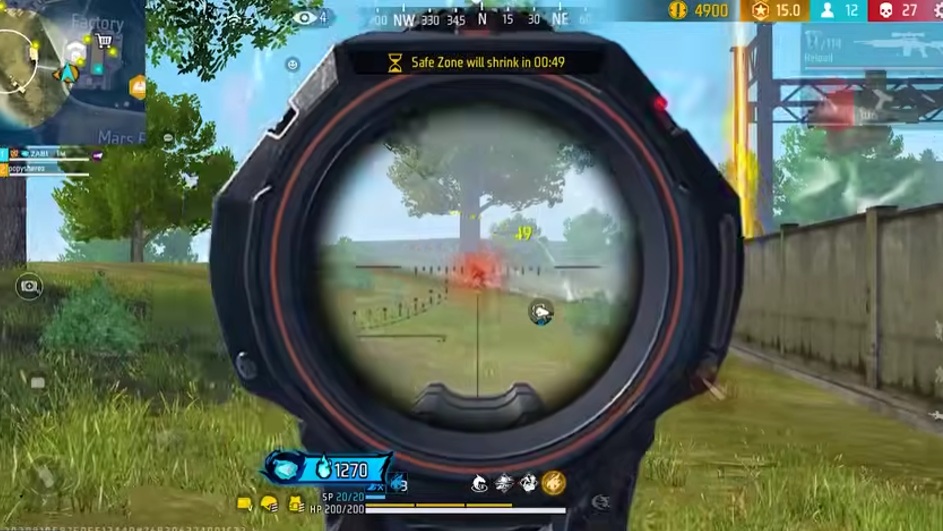
Free Fire is fast—faster than it looks. Small differences in latency don’t show up as obvious lag, but they absolutely change how a gun feels.
On a good connection, shots register instantly. You adjust aim naturally. Tracking feels clean and predictable.
On a slightly worse connection, hit confirmation is delayed just enough to break your rhythm. You start overcorrecting. You fire one extra bullet. Recoil feels worse even though nothing changed on paper.
That’s why some matches feel crisp and others feel muddy, even on the same device, in the same room.
Once I noticed this pattern, I also noticed something else: when consistency starts to matter, players naturally begin caring more about optimization—gear choices, efficiency, and sometimes even a Free Fire top up—not because it magically improves aim, but because reducing variance becomes part of playing better.

Match Context Alters Perceived Gun Power
Another factor that’s easy to miss is who you’re actually fighting.
Against weaker opponents, your gun feels incredible. Shots land cleanly. Time-to-kill feels short. Confidence builds—and confidence alone improves performance.
Against stronger players, everything flips. Enemies move less predictably. They strafe better. They punish hesitation instantly. Suddenly the same gun feels underpowered, even though nothing about it changed.
What actually changed isn’t the weapon—it’s the margin for error.
Stronger opponents shrink that margin. Miss a single bullet, and the fight swings. That pressure makes recoil feel harsher and accuracy feel worse, even though the mechanics are identical.
Your Mental State Is Part of the Weapon
This was the hardest part for me to admit.
When I’m calm, my gun feels stable. I pre-aim. I fire deliberately. I trust my shots.
When I’m tilted or rushing, everything feels wrong. I spray early. I chase kills. I blame the gun instead of my timing.
Free Fire rewards decisiveness, but it punishes panic. The same gun feels different because I’m different.
Once I stopped chasing the “perfect gun” and started paying attention to positioning, pacing, and mindset, the inconsistency didn’t disappear—but it stopped controlling my matches.
The weapon didn’t change.
I did.
Final Thought
When a gun feels amazing one match and terrible the next, it’s tempting to blame balance changes, RNG, or hidden nerfs. I’ve done that more times than I can count.
But most of the time, the explanation is simpler—and more uncomfortable.
Gun feel isn’t just hardware or stats.
It’s context, connection, opponent skill, and your own state of mind colliding in real time.
Once you understand that, you stop fighting the weapon—and start mastering the game.
 2.9K
2.9K 5.0
5.0 100+10 Diamonds$0.82-$0.15$0.97
 310+31 Diamonds$2.46-$0.43$2.9
 520+52 Diamonds$4.11-$0.73$4.84
 1060+106 Diamonds$7.81-$1.38$9.19
 2180+218 Diamonds$15.56-$2.75$18.31
 5600+560 Diamonds$39.09-$6.9$45.99
 Weekly Membership$1.64-$0.29$1.93
 Monthly Membership$8.24-$1.45$9.69
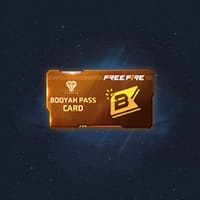 Booyah Pass card$6.92-$1.22$8.14
 Weekly Lite$0.41-$0.07$0.48
 Jovial Symphony King Bundle$4.11-$0.73$4.84
 Queen Joyful Melody Bundle$4.11-$0.73$4.84
 2.9K5.0