In the crowded mobile battle royale market, speed isn’t just a gameplay feature.
It’s a design philosophy.
And no title represents that philosophy more clearly than Free Fire.
While many competitors double down on realism, massive maps, and long match structures, Free Fire made a quieter—but far more consequential—decision early on: prioritize pace above everything else.
That single choice is where it pulled ahead.
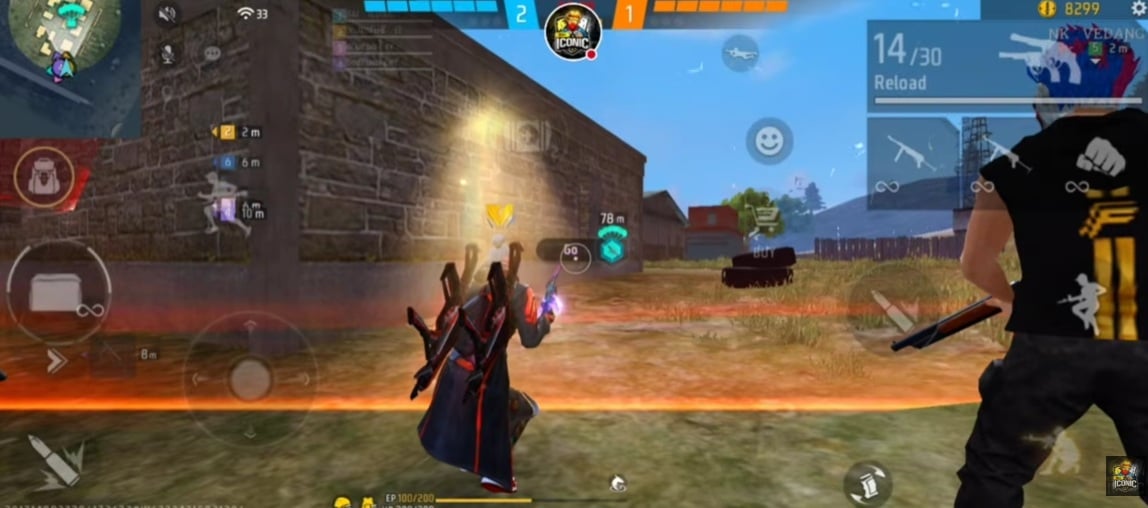
It Redefined What a Battle Royale Match Is Supposed to Feel Like
Short Matches, Faster Emotional Payoff
Traditional battle royale games often ask for a 20–30 minute commitment per match. Free Fire cuts that nearly in half, delivering full rounds in around 10 minutes—or less.
That shift fundamentally changes how players feel about each match.
Wins feel attainable, not rare
Losses feel recoverable, not frustrating
“One more game” becomes an easy decision
Instead of demanding focus and endurance, Free Fire offers quick emotional resolution—a design choice perfectly aligned with mobile behavior.
Minimal Downtime by Design
Many battle royale titles are defined by downtime: long looting phases, extended rotations, and cautious standoffs.
Free Fire intentionally removes that friction.
Smaller maps accelerate player encounters
Fewer players reduce early-game emptiness
Engagements happen quickly and often
The result is a gameplay loop where momentum never fully resets. From the moment you drop, the game pushes you forward.
It Was Built for Real-World Conditions, Not Ideal Ones
Performance First, Visual Ambition Second
One of Free Fire’s most strategic decisions was accepting hardware limits instead of fighting them.
Consistent performance on entry-level phones
Stability on uneven or mobile-only networks
Low friction for first-time players
This wasn’t about technical compromise.
It was about predictability.
A fast-paced game only works if it’s fast everywhere. Free Fire’s speed is reliable because it was designed around the environments most players actually live in.
Designed for Fragmented Play, Not Long Sessions
Free Fire fits into real life, not the other way around.
You don’t need headphones, perfect signal strength, or a quiet room. You need a few minutes—and the game respects that.
That respect is why fast pace scales globally.
Speed Isn’t a Feature — It’s a System
Ability-Driven Combat Accelerates Decision-Making
Free Fire’s character abilities are often criticized by traditional shooter fans. But from a pacing perspective, they’re essential.
Abilities:
Reduce passive, slow-play behavior
Encourage commitment instead of hesitation
Resolve fights faster and more decisively
Players aren’t just reacting to gunfire. They’re making active choices—when to push, when to disengage, when to commit fully.
Speed isn’t just about movement. It’s about decision velocity.
That same system-level speed also changes how players think about progression.
When matches are shorter and rewards come faster, managing resources efficiently becomes part of the skill curve—not an afterthought.
For players who stick with the game long term, understanding how progression and spending interact is often just as important as mechanical skill, which is why many eventually look into how to top up Free Fire in a way that supports faster progress without breaking the game’s rhythm.
Progression That Matches the Pace
Fast matches only work if progression keeps up.
Free Fire reinforces momentum through:
Frequent rewards
Clear short-term goals
Constant feedback loops
Even a short session feels productive. That sense of forward motion is what turns quick games into daily habits.
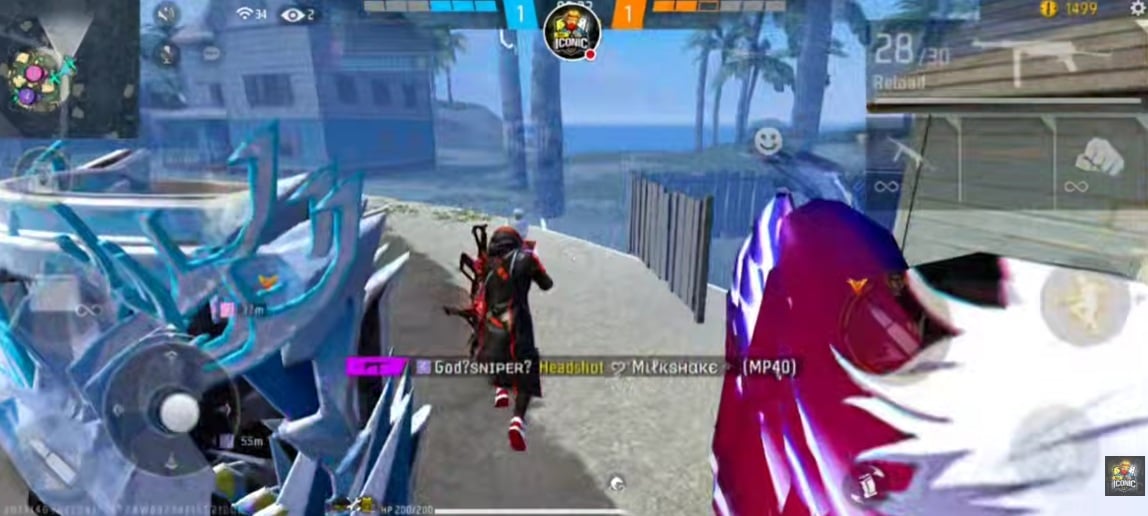
Final Take: Free Fire Didn’t Just Go Faster — It Changed the Formula
Free Fire didn’t win by being the most realistic or technically impressive battle royale.
It won by asking a different question:
What if battle royale wasn’t about endurance, but repetition?
By building every system around fast payoff—matches, combat, progression, and accessibility—Free Fire created an experience that feels natural on mobile in a way others still struggle to replicate.
Its fast pace isn’t just an advantage.
It’s the foundation that everything else is built on.