Home
Home BlogIs Free Fire Forcing Everyone to Play Faster?
Is Free Fire Forcing Everyone to Play Faster?
 Quinn Thompson


If you’ve been playing Free Fire for a few years, you’ve probably felt the shift.
There was a time when you could land far from the hot zone.
Loot patiently.
Win through positioning instead of raw aggression.
Now?
More and more players are saying the same thing:
“If you don’t play fast, you fall behind.”
So is Free Fire actually forcing everyone into a faster tempo?
Or has the meta simply evolved — and we’re struggling to adapt?
Let’s break it down from a systems perspective.
The Economy Curve Is Driving the Pace
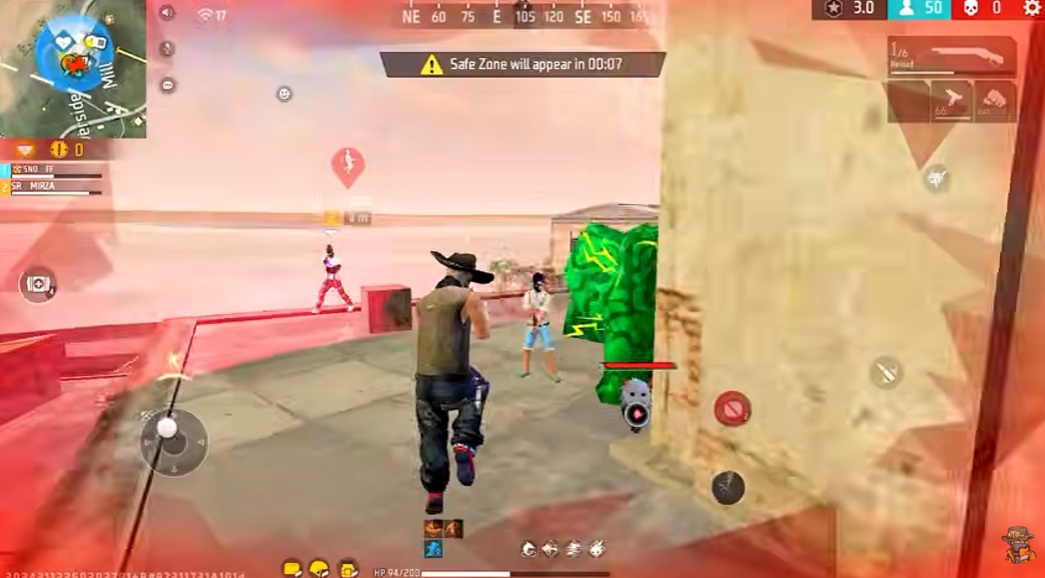
The real reason the game feels faster isn’t the players.
It’s the economy.
Recent updates have subtly reshaped how quickly power scales:
High-tier loot is more concentrated in hot zones
Eliminations generate stronger snowball value
Advanced gear appears earlier
Character skill combinations spike sooner
That changes everything.
The first three minutes of a match now carry disproportionate weight.
If one squad secures:
Early eliminations
Control over a high-value loot area
A complete skill synergy
While another squad is still quietly clearing edge compounds, the gear gap becomes real — and often irreversible.
When economic snowball accelerates, slow development doesn’t disappear.
It just becomes riskier.
The system isn’t forcing aggression.
But it’s clearly rewarding initiative.
Zone Design Reduces Breathing Room
Here’s another piece players often overlook: circle logic.
Modern safe zones tend to:
Pull toward central map areas
Deal heavier late-stage damage
Reduce outer buffer space
The result?
Fewer low-conflict rotations
Earlier forced repositioning
Higher encounter frequency
Even if you prefer a slower playstyle, the map itself pressures you into movement.
When safe zones shrink your margin for error, pacing increases naturally.
That isn’t player psychology.
That’s structural design.
Character Skills Favor Proactive Play
Free Fire isn’t a traditional battle royale.
Its skill system fundamentally shifts tempo.
Many active abilities emphasize:
Burst entry
Aggressive pushes
Fast repositioning
Instant sustain or damage spikes
Passive defense becomes less reliable when opponents can:
Close distance instantly
Break angles quickly
Recover mid-fight
The skill ecosystem leans toward initiative.
And initiative speeds up games.
This doesn’t eliminate slower strategies.
But it makes passive play less forgiving.
Competitive Influence Shapes the Meta
We also can’t ignore the esports effect.
Competitive formats reward:
High elimination counts
Early rotation control
Objective dominance
From a spectator perspective, high-action matches are simply more engaging than slow, late-game-only setups.
When balance decisions are influenced by competitive clarity and viewership appeal, pacing trends upward.
Fast engagements aren’t random.
They align with modern competitive design.
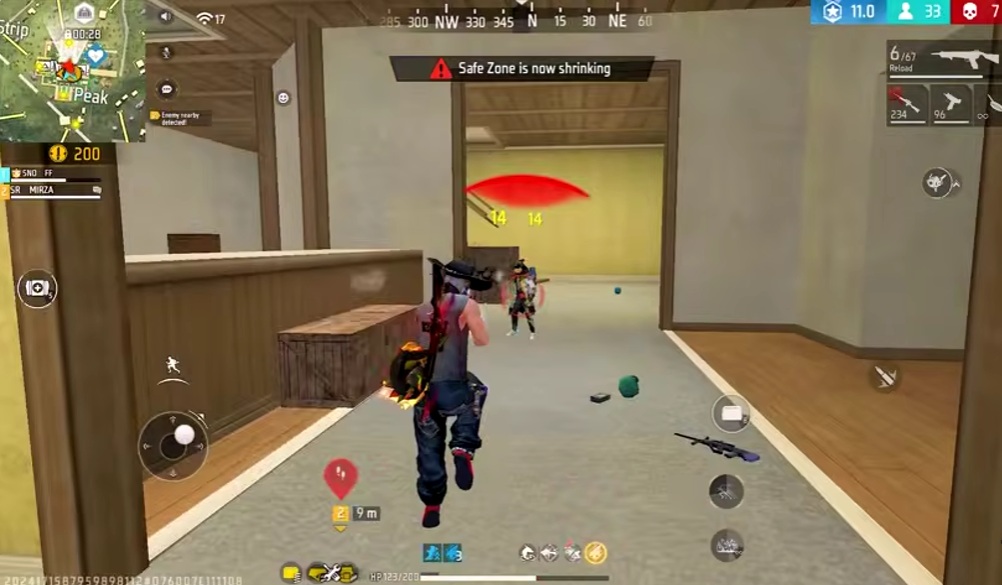
Here’s Where Perception and Reality Split
This is the part many players get wrong:
A faster meta doesn’t automatically mean you’re being forced to fight.
Free Fire today:
Incentivizes early aggression
Punishes inefficient looting
Compresses passive space
But slow play still exists.
What’s changed is tolerance.
You can still:
Play edge
Rotate late
Prioritize survival
However, those strategies now demand:
Precise drop planning
Optimized loot routing
Strong information reading
Clean disengagement mechanics
Before, you could stall casually.
Now, you must stall intelligently.
That’s not removal.
That’s a higher skill threshold.
Why It Feels Forced
Player psychology matters.
When most of the lobby lands hot, fights early, and snowballs hard, slower squads feel hunted.
The ecosystem evolves:
Aggressive squads dictate tempo →
Slower squads react →
Reactivity feels like pressure.
The experience becomes, “I’m being forced to fight.”
But what’s actually happening is adaptation lag.
You’re not being forced.
You’re responding to a faster environment.
And those two things aren’t the same.
Where the Meta Is Likely Headed
Looking ahead, several trends are unlikely to reverse:
Skill-based aggression will remain central
Early-game snowball will stay influential
Zone pressure will remain high
The game probably won’t slow down.
But faster pacing doesn’t mean less strategy.
In fact, it means tighter decision windows.
Modern Free Fire isn’t about mechanical speed.
It’s about decision speed.
The ceiling isn’t who aims faster.
It’s who processes faster.
Pro Tip: Want to save on your next Free Fire top up? Check out KeyGold.gg for exclusive deals.
Final Verdict
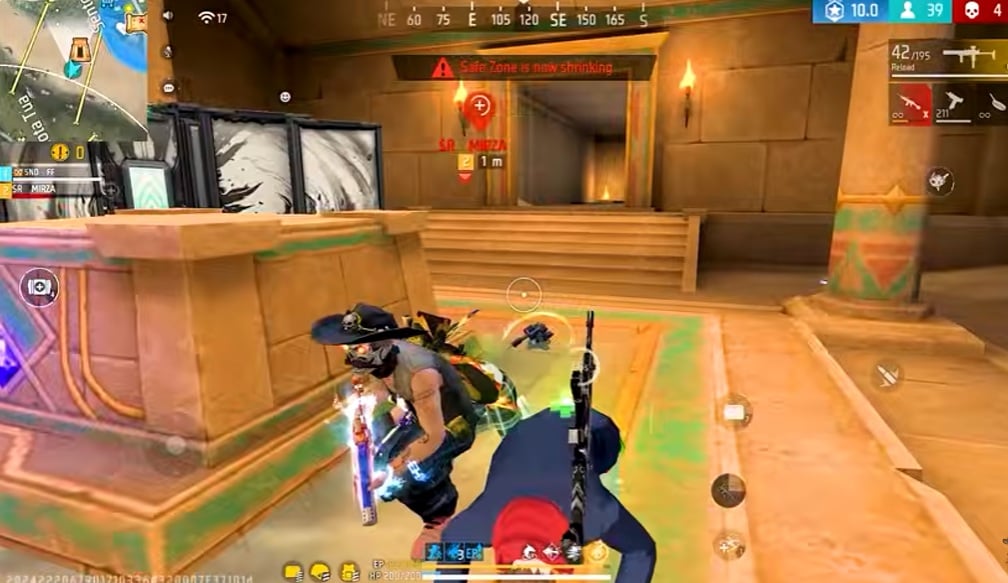
So — is Free Fire forcing everyone to play fast?
Not exactly.
The system:
Incentivizes early aggression
Compresses passive margins
Rewards decisive tempo
Slow strategies still exist.
They just demand higher discipline.
What’s disappearing isn’t slow play.
It’s inefficient slow play.
In a faster ecosystem, the advantage doesn’t go to the most aggressive player.
It goes to the one who understands tempo.
And once you understand tempo, you stop feeling forced.
Because you’re the one setting it.
 2.9K
2.9K 5.0
5.0 100+10 Diamonds$0.82-$0.15$0.97
 310+31 Diamonds$2.46-$0.43$2.9
 520+52 Diamonds$4.11-$0.73$4.84
 1060+106 Diamonds$7.81-$1.38$9.19
 2180+218 Diamonds$15.56-$2.75$18.31
 5600+560 Diamonds$39.09-$6.9$45.99
 Weekly Membership$1.64-$0.29$1.93
 Monthly Membership$8.24-$1.45$9.69
 Booyah Pass card$6.92-$1.22$8.14
 Weekly Lite$0.41-$0.07$0.48
 Jovial Symphony King Bundle$4.11-$0.73$4.84
 Queen Joyful Melody Bundle$4.11-$0.73$4.84
 2.9K5.0