For many Western players, the first impression of Free Fire’s skins is shock.
Bright neon colors. Glowing effects. Animated outfits that look closer to anime heroes than soldiers.
At a glance, it feels excessive—almost chaotic.
But Free Fire’s skin system isn’t exaggerated by accident. It’s the result of deliberate design choices shaped by mobile limitations, player psychology, and global market realities.
To understand why the skins look the way they do, you have to stop judging them by PC or console shooter standards—and start looking at what the game is actually built to do.
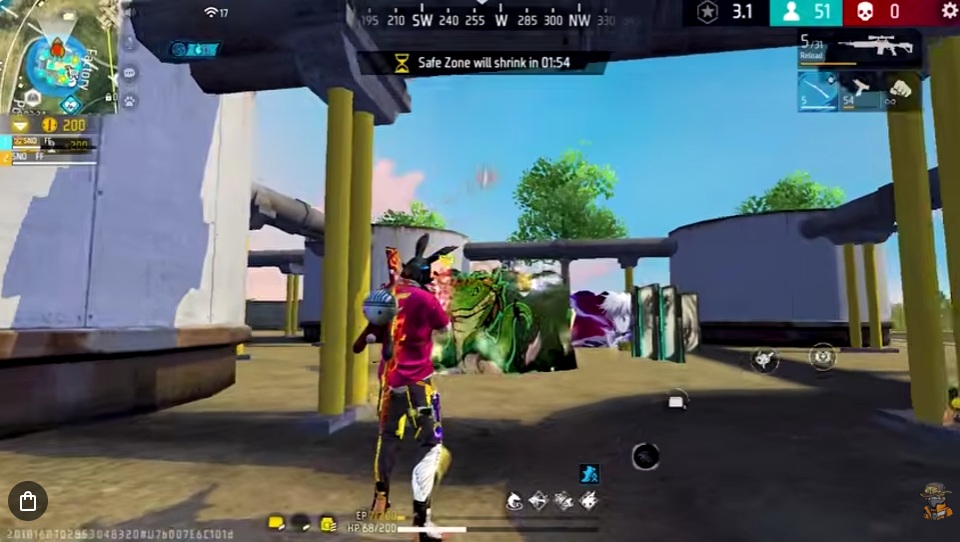
Mobile-First Design Demands Visual Extremes
Free Fire is not designed for large monitors, high refresh rates, or precise mouse input.
It’s designed for smartphones.
That single fact changes everything about how skins need to function.
Why Subtle Skins Don’t Work on Mobile
On mobile devices:
Realistic or muted cosmetics simply don’t stand out under these conditions.
Highly exaggerated skins solve multiple problems at once:
Bright colors improve silhouette recognition
Glow and contrast make enemies readable at distance
Animated elements help players track movement quickly
What looks “too loud” on a PC screen is often the minimum required to remain readable on a phone.
In Free Fire, skins aren’t just cosmetic flair—they’re functional visual signals.
Skins Replace Traditional Progression Feedback
Free Fire matches are short by design, often lasting under 10 minutes.
That creates a progression challenge.
In longer shooters, players feel improvement through extended fights, slow mastery curves, and gradual performance gains. Free Fire doesn’t have the time for that inside a single match.
Skins fill that gap.
They provide:
Immediate visual progression
Persistent rewards across short sessions
A clear sense of growth even without long playtime
Instead of asking players to feel stronger over dozens of matches, Free Fire lets them look stronger instantly.
For casual and mobile-first players, that feedback loop is far more satisfying than subtle stat improvements they may never notice.
Exaggeration Signals Value in Global Markets
Free Fire’s largest audiences are not in North America or Western Europe. They’re in regions where spending behavior follows different rules.
In many global markets:
Players are highly price-sensitive
Purchases must feel visibly worthwhile
Social display matters more than understated prestige
A skin that looks close to default doesn’t feel like value.
A skin that glows, animates, and dramatically changes appearance does.
This is why Free Fire skins often bundle multiple layers of presentation:
Visual effects
Animation changes
Audio cues
UI flair
They aren’t selling subtlety—they’re selling visibility.
From a design perspective, exaggerated skins reduce buyer’s remorse. The value is obvious the moment you equip it.
Skins Focus on Identity, Not Immersion
Many Western shooters aim for immersion.
You’re a soldier.
The world feels grounded.
Cosmetics stay believable.
Free Fire doesn’t chase that fantasy.
Instead, it prioritizes player identity.
Skins are designed to communicate:
That’s why Free Fire skins lean toward:
The goal isn’t to blend into the world—it’s to stand out from everyone else.
For players used to realism-driven shooters, this can feel jarring. But for Free Fire’s core audience, identity expression is more important than immersion.
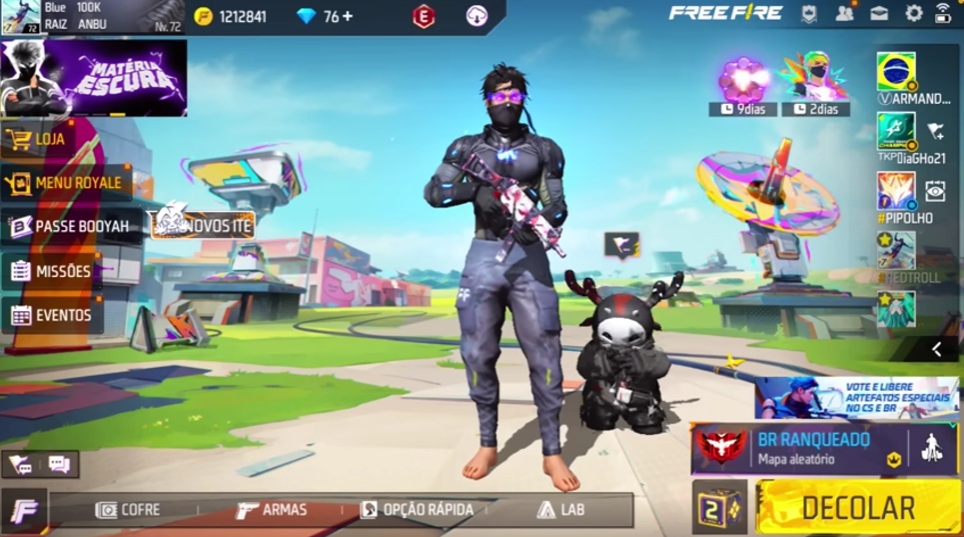
Monetization Is Visible—But Not the Core Purpose
It’s easy to assume exaggerated skins exist purely to push spending.
That’s only part of the story.
Mechanically, Free Fire keeps clear boundaries:
Skins change appearance, not core gunplay
Positioning, timing, and awareness still decide fights
Visual flair doesn’t guarantee performance
This is why systems like Free Fire top up are often misunderstood. Topping up speeds access to cosmetics and progression, but it doesn’t rewrite the rules of combat. Poor decisions still get punished, regardless of how flashy a skin looks.
The exaggeration exists to drive engagement and identity—not to replace skill.
Final Takeaway: The Loudness Is the Design
Free Fire’s skin system isn’t exaggerated because the designers “went too far.”
It’s exaggerated because:
Mobile screens demand clarity
Short matches need instant feedback
Global markets reward visible value
Player identity matters more than realism
If you judge Free Fire skins by console or PC shooter standards, they feel excessive.
If you judge them by mobile design constraints and player psychology, they make complete sense.
Free Fire isn’t asking,
“Does this look realistic?”
It’s asking,
“Can you recognize it instantly, remember it clearly, and feel rewarded for owning it?”
That’s why the skins are loud.
And that’s why they’re not getting quieter anytime soon.