Many Last War players share the same experience.
The early game feels smooth. Progress is steady, upgrades make sense, and as long as you stay active, growth feels reliable. Then, somewhere in the mid game, things begin to slow down. Attacks become more frequent. Resources feel harder to maintain. Even with consistent playtime, it becomes difficult to keep pace.
Most players assume the problem is personal — poor upgrade choices, inefficient play, or bad luck.
Many long-term players notice that the real turning point often appears shortly after server alliances begin to stabilize and early dominance structures take shape.
In reality, mid-game stagnation is rarely caused by individual mistakes. More often, it’s the result of a decision made much earlier that quietly compounds over time: alliance choice.
From the mid game onward, alliances stop being a social feature and start becoming the core factor that determines survival.
Last War Is Not a Solo Progression Game — It’s an Alliance-Driven Survival Game
In the early stages of Last War, the game gives players a strong sense of independence. Even if your alliance isn’t ideal, you can still advance through activity, planning, and time investment.
That dynamic changes sharply in the mid game.
Territory control, coordinated events, access to shared resources, and overall safety increasingly depend on alliance-level organization. At that point, individual effort alone is no longer enough to offset structural disadvantages.
From the mid game forward, players consistently find that personal growth ceilings are shaped less by individual effort and more by alliance stability, leadership decisions, and long-term coordination. This is why alliance choice often matters more than build order once the server matures.
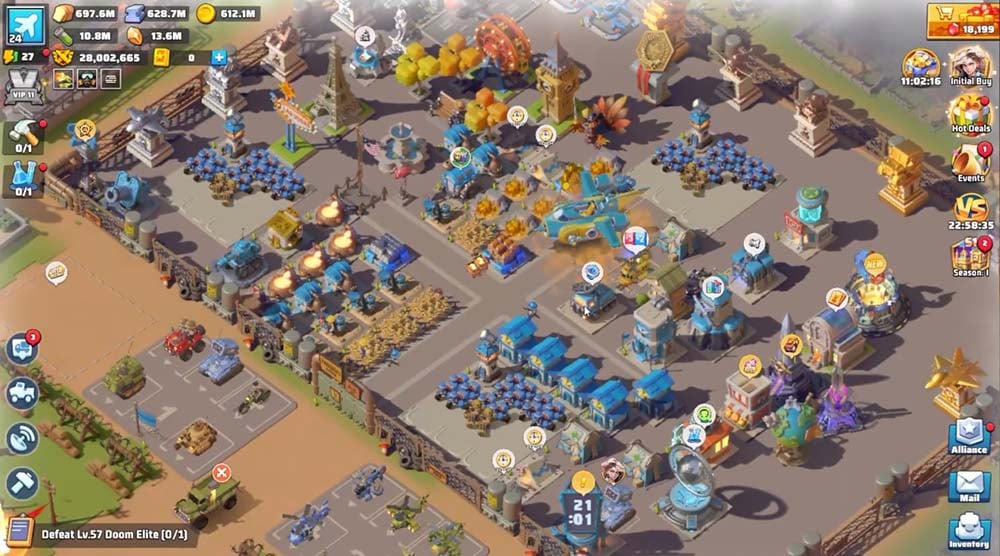
How the Wrong Alliance Gradually Pushes Players into Mid-Game Stagnation
Most players don’t knowingly join a “bad” alliance. The real danger lies in alliances that appear functional on the surface but contain deeper structural flaws.
Alliances That Look Fine Early Often Hide Long-Term Problems
Some alliances maintain decent numbers and active chat, yet suffer from uneven participation. A small group carries progression while the majority contributes very little. Others centralize authority so heavily that members have no visibility into long-term goals or decision logic.
These weaknesses rarely cause immediate issues.
Across many servers, the same pattern repeats: alliances that appear functional early often struggle once pressure and competition increase.
This is why many players later realize that their decline started at the alliance selection stage. If you want a deeper breakdown of how to recognize these risks early, this guide explains the evaluation process in detail:
How to evaluate alliance structure before committing long term
Why Internal Imbalance Often Turns into Targeting and Bullying
As alliances enter the mid game, pressure increases. Resources become contested, and expectations rise. In alliances without clear contribution standards or transparent leadership, power naturally consolidates around a few strong players.
When accountability is unclear, weaker or newer members are often blamed for collective setbacks. What players experience as “bullying” is frequently not personal hostility, but a structural outcome of poor alliance design.
In practice, this dynamic emerges in similar ways across regions, spending levels, and server populations.
By the time these behaviors become visible, many players are already deeply invested. If you’re facing this situation now, this article focuses on understanding and responding to alliance-level bullying dynamics:
Why alliance bullying emerges from structural imbalance
Why Alliance Influence Increases So Rapidly in the Mid Game
Mid-Game Systems Amplify Alliance Gaps
Mid-game content in Last War increasingly rewards coordination. Events become more time-sensitive, failure penalties grow, and recovery windows shrink.
Individual mistakes can still be corrected. Alliance-level missteps usually cannot. When coordination fails, everyone absorbs the cost.
Veteran players often point out that once this stage is reached, recovery becomes far more difficult without structural alliance support.
This design naturally widens the gap between organized alliances and fragmented ones.
Server Ecosystems Accelerate Alliance Stratification
As servers mature, dominant alliances begin to control critical zones and event outcomes. Mid-tier alliances struggle to maintain relevance, while smaller groups are often pushed out entirely.
Many players don’t fall behind because of weak stats — they fall behind because they aligned with the wrong group before the server hierarchy stabilized. Once the ecosystem solidifies, personal skill matters far less than position.
Why Most Players Realize the Problem Too Late
By the time alliance issues become obvious, many players feel locked in.
Time investment, social ties, and fear of restarting create strong psychological resistance to leaving. This sunk-cost effect keeps players in environments that actively limit their growth.
Many players only recognize this pattern after watching more adaptable alliances pull further ahead over time.
In Last War, alliance mobility has a narrow window. After server structures settle, changing alliances rarely restores lost momentum.
What Players Who Reach the Late Game Got Right
Players who consistently reach the mid-to-late game aren’t always the biggest spenders or the most active individuals.
What they share, based on repeated late-game observation, is sound alliance judgment rather than exceptional individual advantages.
Their alliances maintain clear goals, transparent contribution standards, and unified external strategy. Power differences exist, but roles are defined and coordination is prioritized over domination.
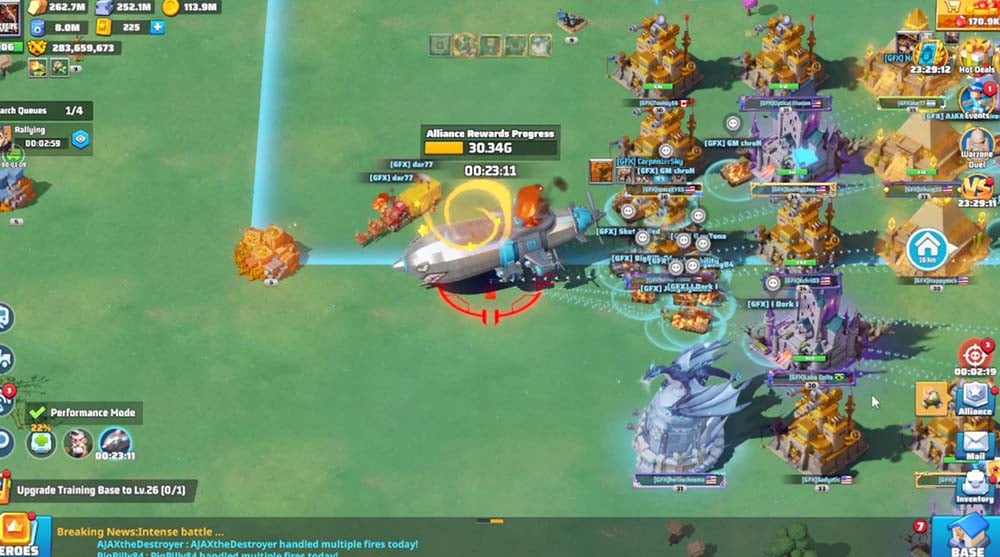
Alliances Define Survival Space — Not Just Combat Power
Upgrade paths, combat tactics, and resource efficiency all matter in Last War. But they operate within a larger constraint.
Your alliance determines whether those decisions can compound over time or hit a ceiling.
Early progression rewards effort. Long-term survival rewards positioning.
From the mid game onward, alliance choice is not a preference — it functions as a structural advantage that ensures long-term survival.
Author
Blake Lewis
Mobile gaming strategy writer focused on alliance systems, long-term progression, and player behavior in competitive titles like Last War: Survival.